GOC
64 questions · Click an option and press Check Answer to reveal the result
Total structural isomers of C8H18 in which each isomer must have at least one 4° carbon :-
The IUPAC name of OHC-CH=CH–CH–CH=CH2 is
Al2O3
Fe2O3
Cr2O3 / Al2O3 at 600°C
Conc. H2SO4
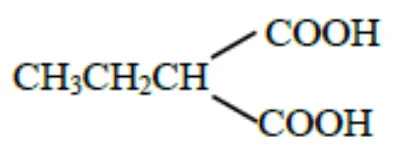
The IUPAC name of the structure is
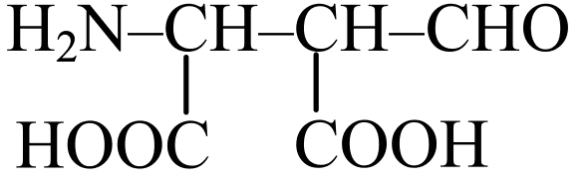
3-amino-2-formyl butane-1, 4-dioic acid
3-amino -2,3-dicarboxy propanal
2-amino -3- formyl butane -1, 4-dioic acid
1-amino -2-formyl succinic acid
Which of the following compounds exhibits stereoisomerism ?
2-methylbutene-1
3-methylbutyne-1
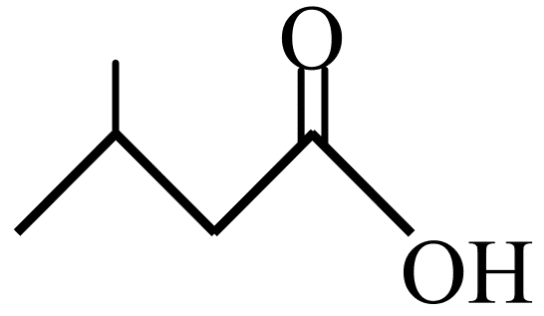
3-methylbutanoic acid
2-methylbutanoic acid
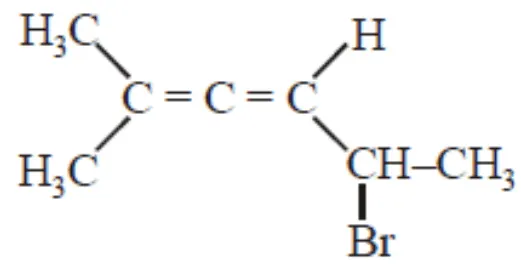
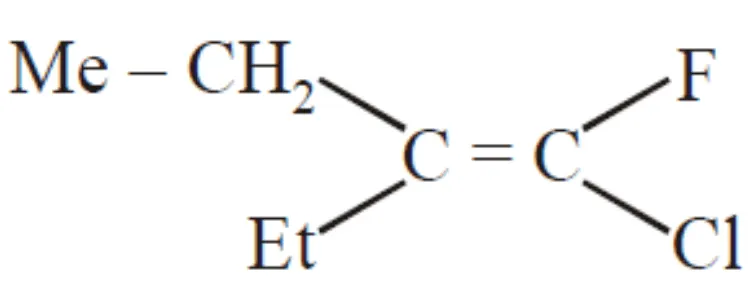
Give the E-Z designation of the following compound
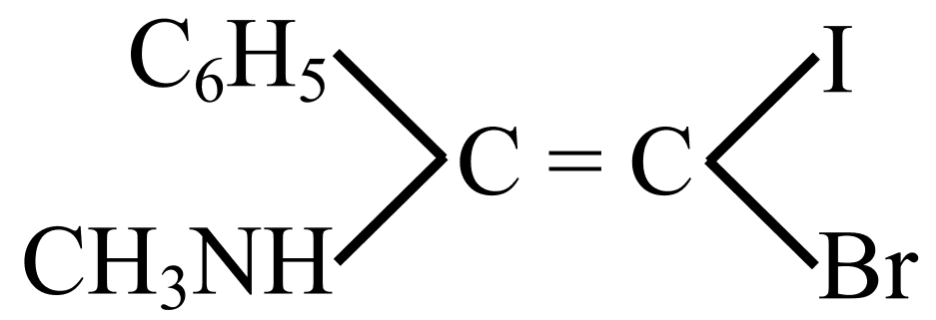
E
Z
E-Z
E-E
Correct order of nucleophilicity
CH3– < NH2– < OH– < F–
F–< OH– < CH3– < NH2–
OH– < NH2– < F– < CH3–
F–< OH– < NH2– < CH3–
H3PO4 > H3PO3 > H3PO2
HClO < HClO2 < HClO3 < HClO4
H3PO3 > H3PO2 > H3PO4
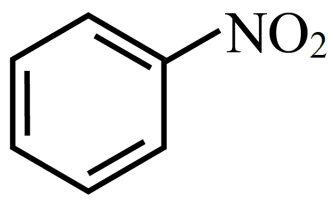
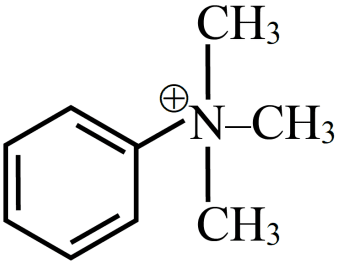
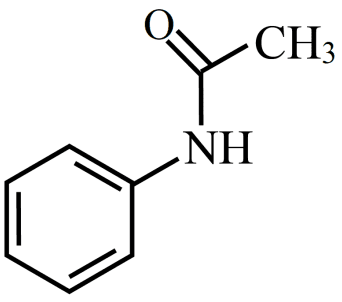
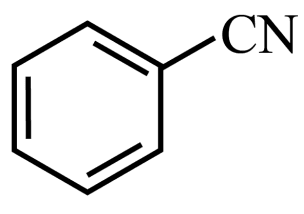
Which of the following compounds predominantly gives the para-nitro product as the major isomer upon nitration using a nitrating mixture (HNO3 + H2SO4)?
 .
.
 .
.
 .
.
 .
.
The I.U.P.A.C. name of compound (CH3)3C.CH2CONH2 is : –
1, 1,1- trimethyl propanamide
3, 3, 3-trimethyl propanamide
3, 3-dimethyl butanamide
3-t-butyl propanamide
Consider the following compounds.
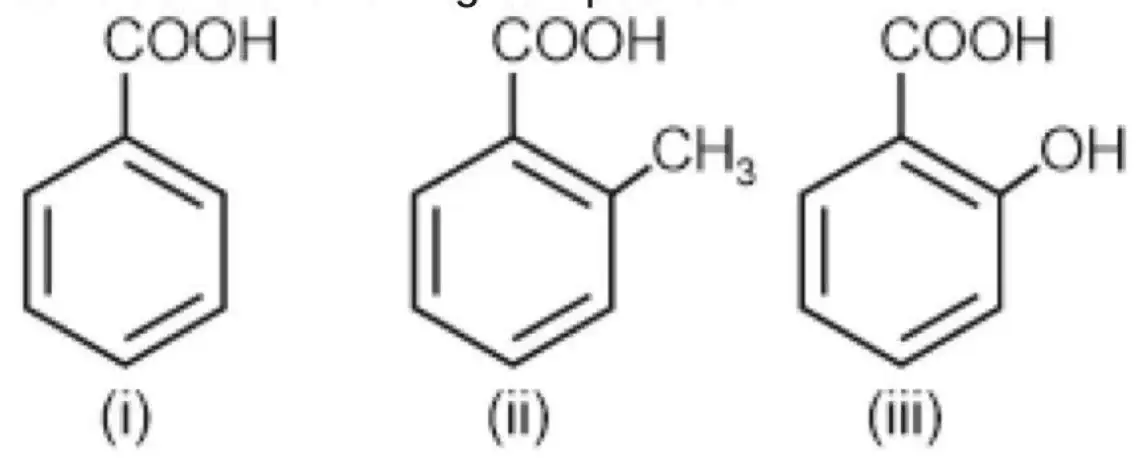
The correct order of acidic strength is
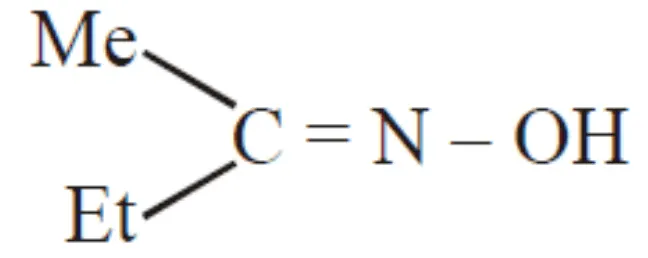
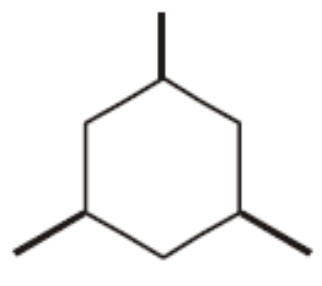
H – N = N – H
Write the structural formula of the compound 3-methylbutanoic acid
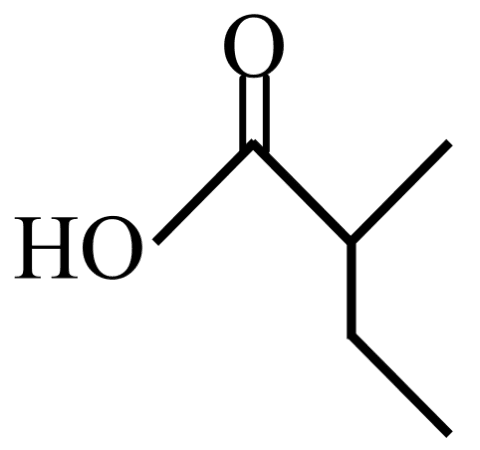
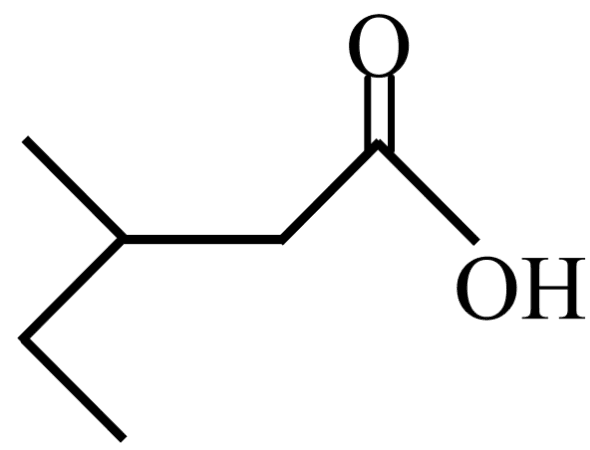
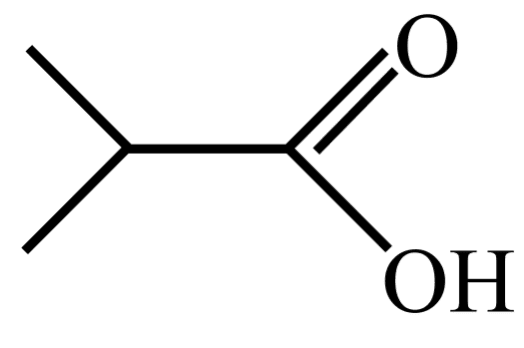
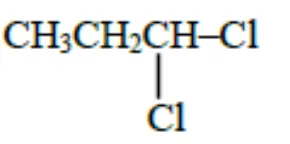
The correct IUPAC name of given compound is
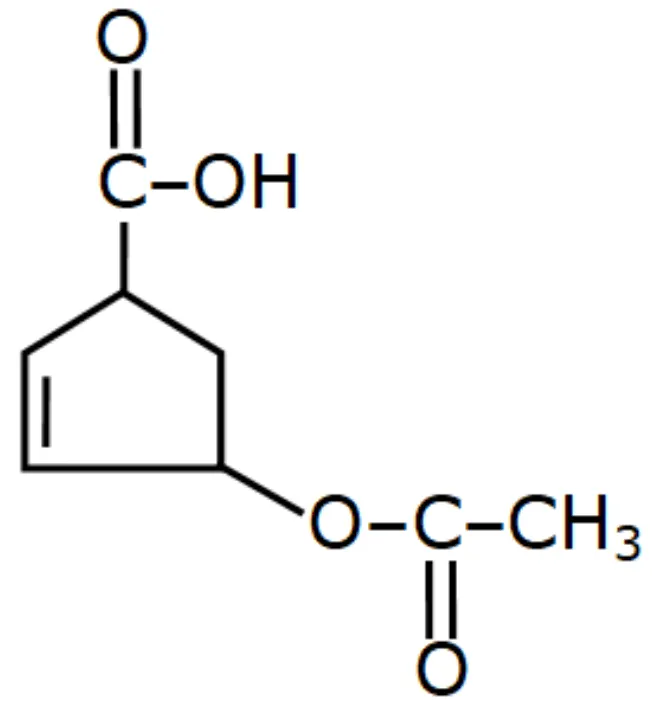
How many different alcohols (excluding optical isomers) are possible with the molecular formula C4H10O ?
Most powerful leaving group in following
.
.
.
.
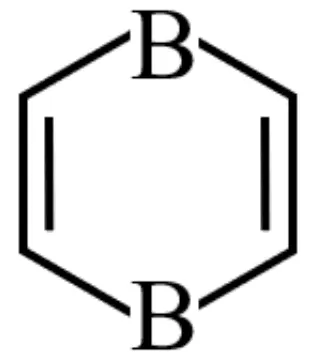
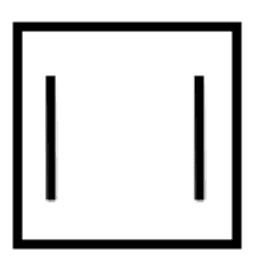
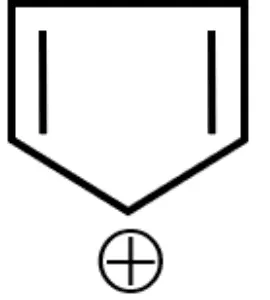
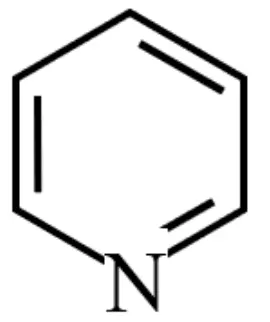
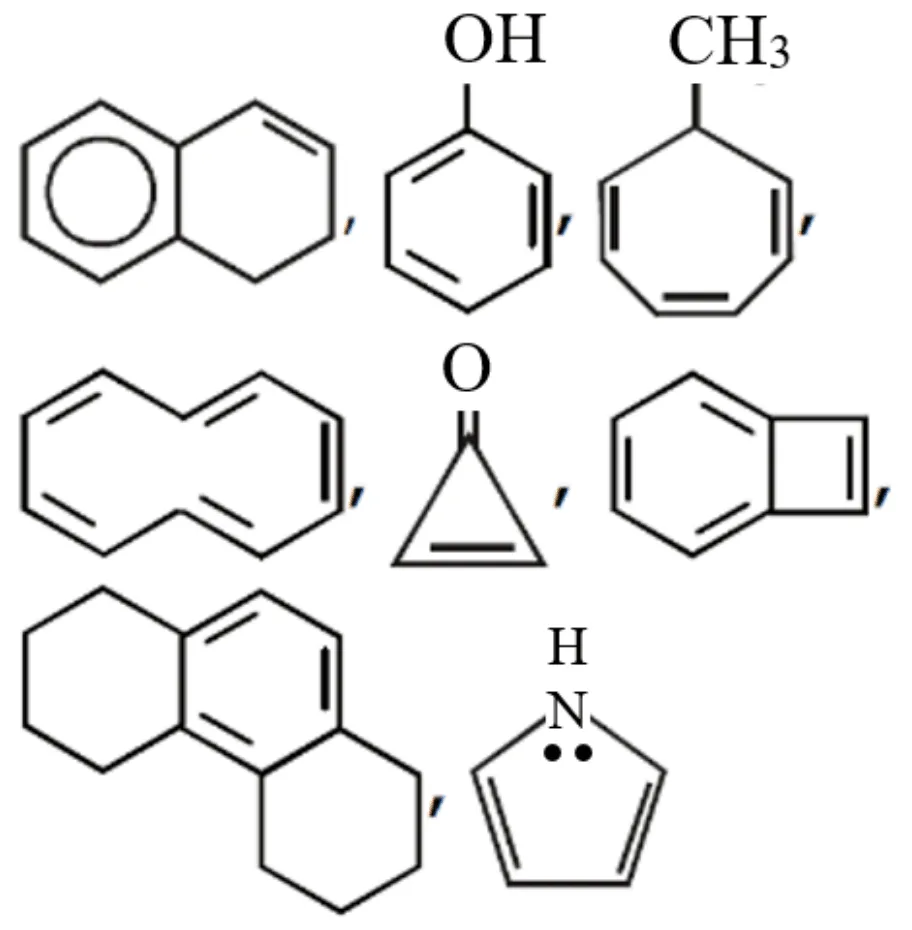
How many of the following compounds are aromatic in nature ?
The possible number of alkynes with the formula C5H8 is
2
3
4
5
Among the following the strongest base is
C6H5NH2
p-NO2–C6H4NH2
m–NO2–C6H4NH2
C6H5CH2NH2
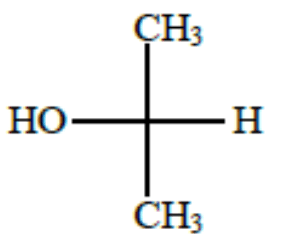
Optical isomers possible for the given compound is :
CH3 – CH(OH) – CH(OH) – CH3
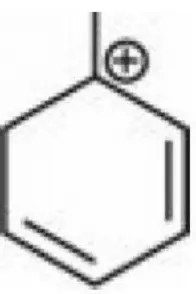
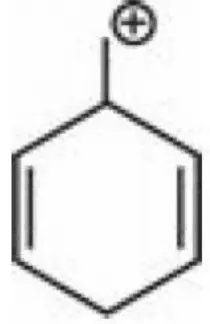
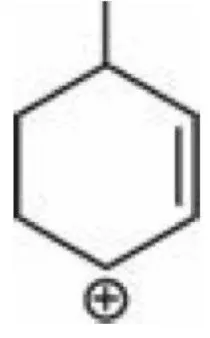
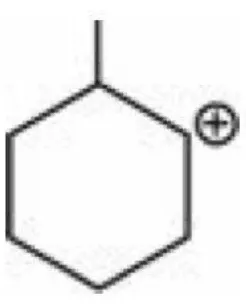
Which of the following is the most stable carbanion :
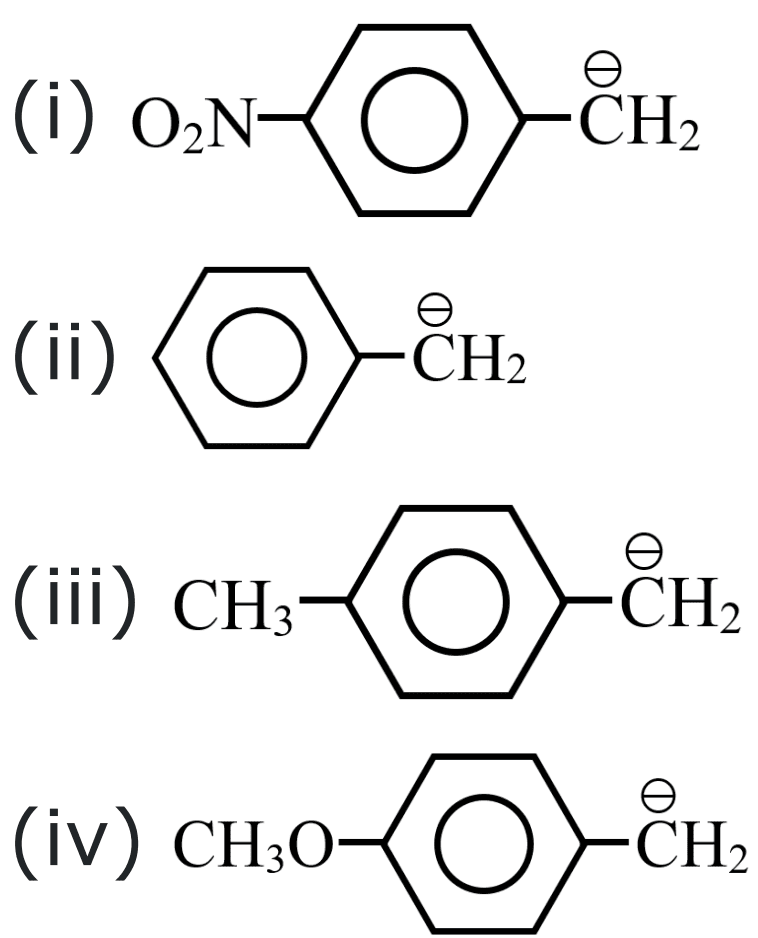
(i) > (ii) > (iii) > (iv)
(i) > (iv) > (iii) > (ii)
(iv) > (iii) > (i) > (ii)
(iv) > (i) > (ii) > (iii)
How many optically active stereoisomers are possible for butane -2, 3-diol ?
1
2
3
4