Cell : The Unit of Life
58 questions · Click an option and press Check Answer to reveal the result
Which of the following is correctly labelled?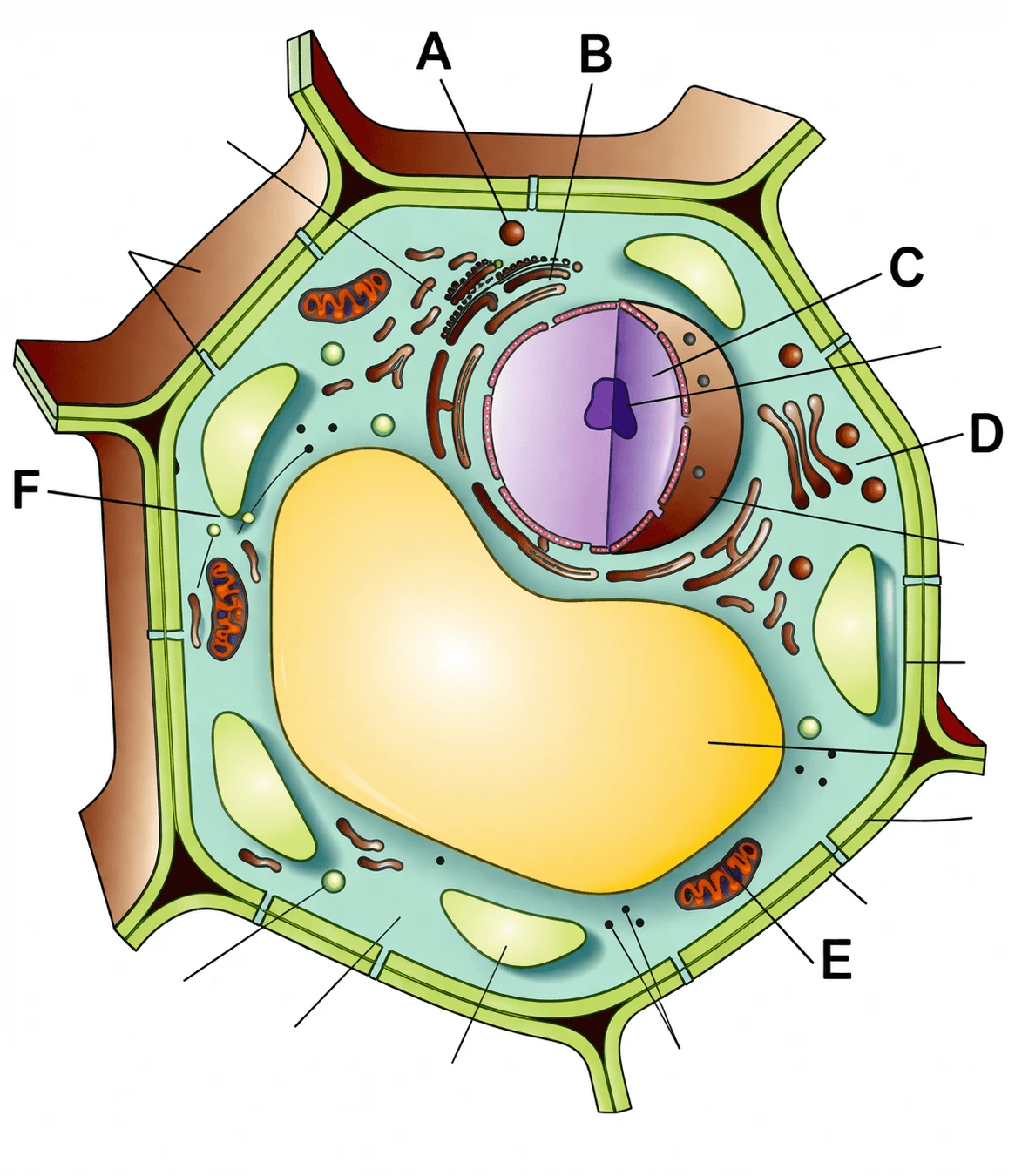
A = Ribosome, B= SER, C= Nucleolus, D= Golgi apparatus, E=Chloroplast, F= Microtubule
A = Lysosome, B= SER, C= Nucleus, D= Golgi apparatus, E=Chloroplast, F= Centriole
A = Microtubule, B= RER, C= Nucleolus, D= Golgi apparatus, E=Mitochondrion, F= lysosome
A = Lysosome, B= RER, C= Nucleus, D= Golgi apparatus, E=Mitochondrion, F= Microtubule
Read the following statements with respect to given diagram and select the correct option. 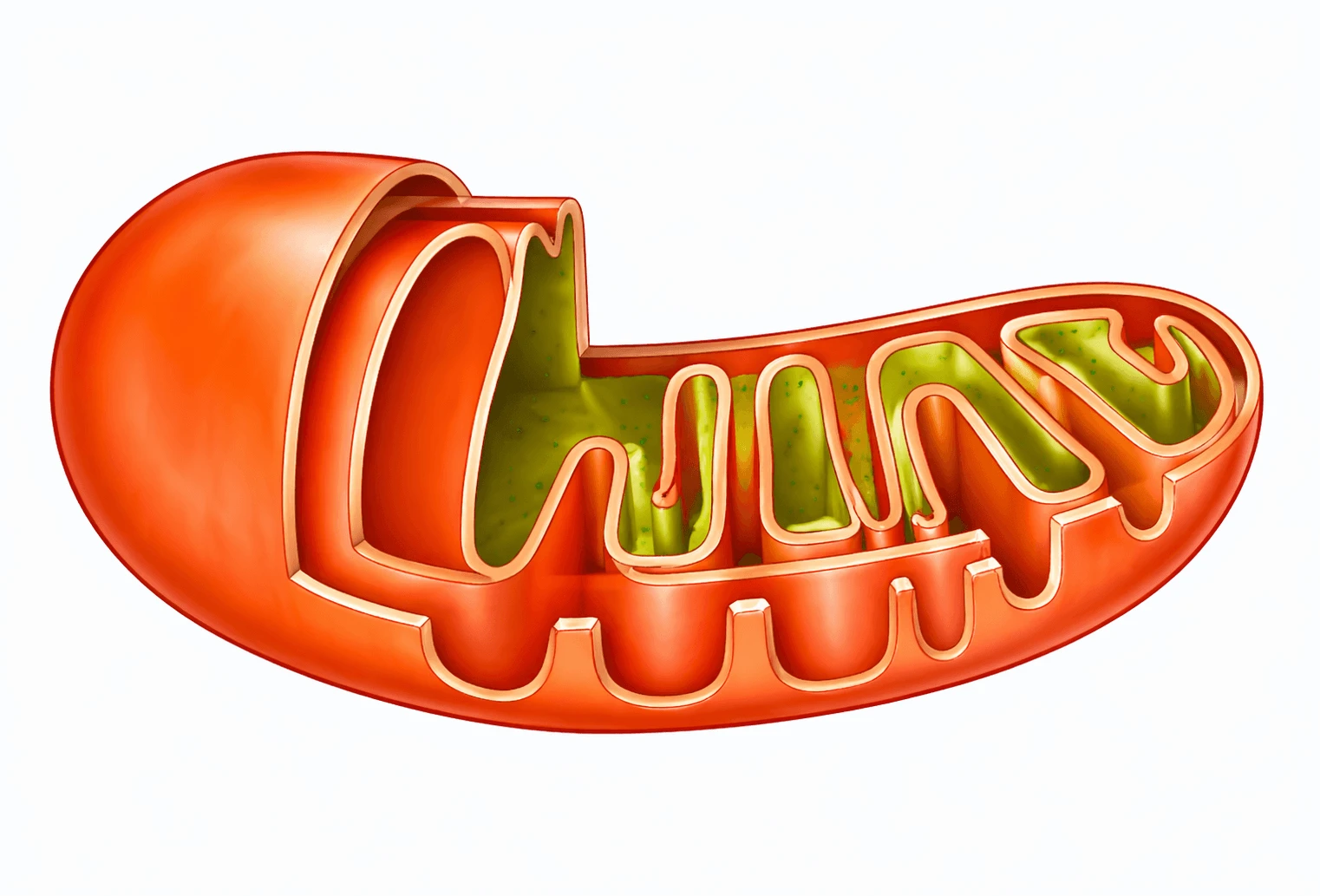
(A) The inner compartment of the organelle is filled with a dense heterogeneous substance called the matrix.
(B) The number of this organelle per cell is variable depending on the physiological activity of the cells.
(C) The inner membrane forms a number of infoldings called the cisternae towards the matrix.
(D) The matrix of this organelle also possess circular ds DNA molecule, few RNA molecules, ribosomes and the components required for the synthesis of proteins.
(E) They are called as ‘Power houses of the cell’ as they produces cellular energy in the form of ATP by utilising light energy.
A, C and E - incorrect, B and D - correct
Read the following statements about chloroplasts.
A. Of the two membranes of chloroplast, the inner membrane is relatively more permeable.
B. The lumen contains enzymes required for the synthesis of carbohydrates and proteins.
C. The space limited by the inner membrane of the chloroplast is called the stroma.
D. The membrane of the thylakoids encloses a space called a lumen.
E. Chlorophyll pigments are present in the thylakoids.
Only A and D are incorrect
Only B and C are correct
Only B, C and D are incorrect
Only C, D and E are correct
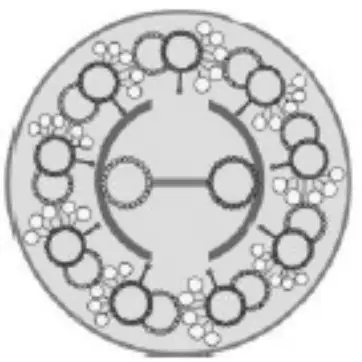
Given figure is not concerned with
Regarding prokaryotes
1. Generally smaller and multiply more rapidly than the eukaryotic cells
2. Prokaryotes have a cell wall surrounding the cell membrane
3. The fluid matrix filling the cell is the cytoplasm and there is no well-defined nucleus
4. The genetic material is basically naked, not enveloped by a nuclear membrane.
5. Many bacteria have small circular DNA outside the genomic DNA, called plasmid
6. Mesosome is the essentially infoldings of the cell membrane.
Only 3 & 5 are correct
Only 1,4 & 5 are correct
Only 1, 2 & 3 are correct
All are correct
Arrange the following cells in descending order of their size and choose the correct option.
Bacteria, Ostrich egg, Mycoplasma, Human RBC:-
Consider the following statements.
A. One of the most important functions of the plasma membrane is the transport of the molecules across it.
B. The membrane is selectively permeable to some molecules present on either side of it.
C. Many molecules can move briefly across the membrane without any requirement of energy and this is called the active transport.
D. Neutral solutes may move across the membrane by the process of simple diffusion along the concentration gradient.
E. Movement of water by diffusion is called osmosis.
How many statement(s) is/are incorrect.
Four
Three
Two
One
Which of the following statements regarding the bacterial cell envelope and its modifications is incorrect?
A. Most prokaryotic cells, particularly bacterial cells, have a chemically complex cell envelope.
B. The cell envelope consists of a tightly bound three-layered structure: glycocalyx, cell wall, and plasma membrane.
C. Extensions of the plasma membrane into the cell in the form of vesicles, tubules, and lamellae are called inclusion bodies.
D. Fimbriae are small bristle-like fibers sprouting out of the cell that help in attaching bacteria to rocks or host tissues.
E. The plasma membrane of prokaryotes is structurally different from that of eukaryotes.
Choose the correct answer from the options given below:
A, B, D only
C and E only
B, C, E only
A and D only
Identify the correct statements from the following:
A. The 'S' in ribosome units stands for Sedimentation Coefficient.
B. 70S ribosomes are found in the mitochondria and chloroplasts of eukaryotic cells.
C. Prokaryotic ribosomes are about 15 nm by 20 nm in size.
D. The subunits of ribosomes remain permanently fused together in the cytoplasm.
E. Ribosomes are responsible for the synthesis of lipids in the cell.
Choose the correct answer from the options given below:
A, B, C only
A, B, E only
B, C, D only
C, D, E only
The given figure is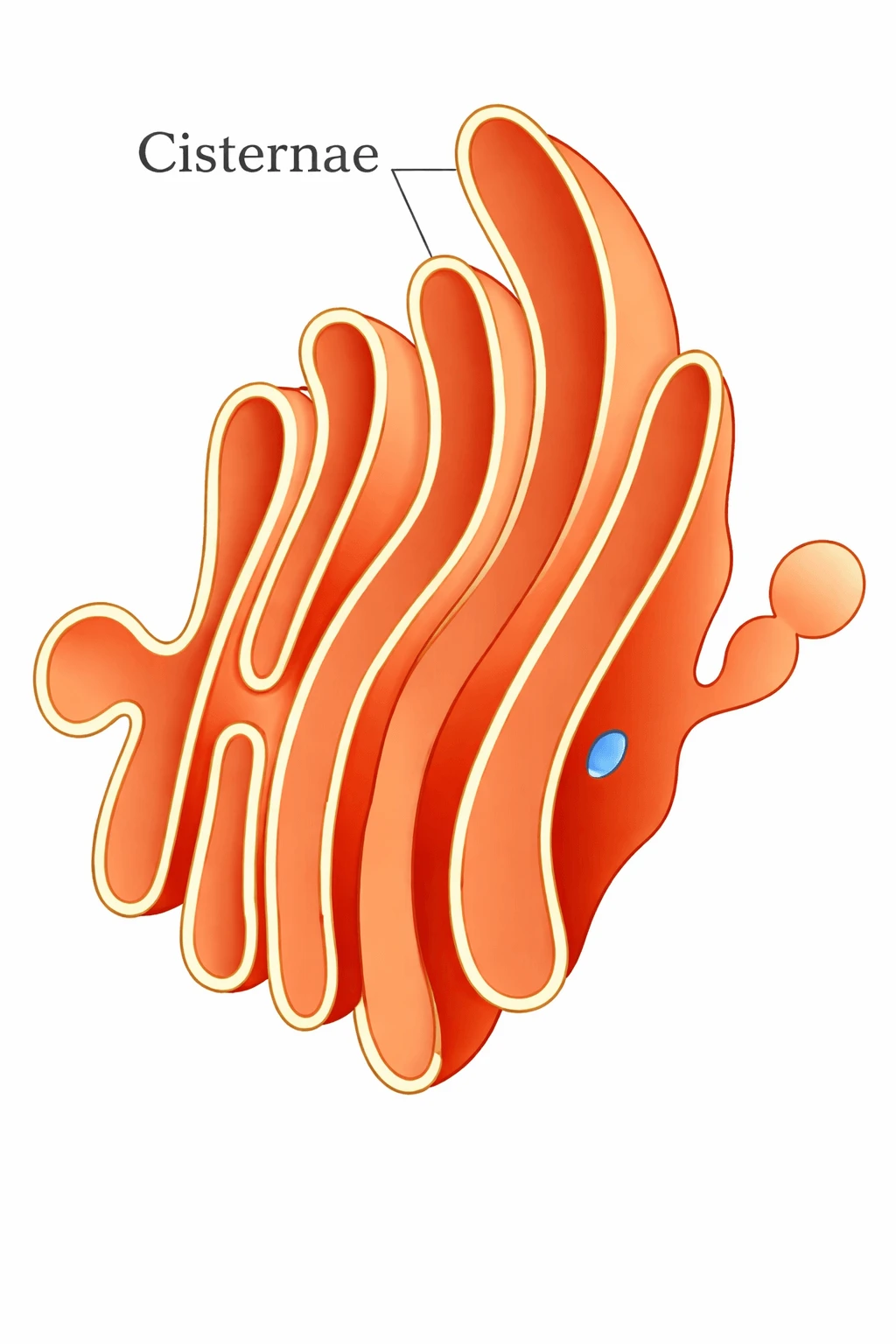
Mitochondria
Golgi apparatus
Chloroplast
Endoplasmic reticulum
Which of the following sets of cells lack a nucleus?
Mammalian RBC, fibroblasts and sieve tube
cells of vascular plants
Mammalian RBC, platelets and sclerenchyma
cells of vascular plants
Mammalian RBC, platelets and sieve tube cells
of vascular plants
Mammalian RBC, macrophages & parenchyma
cells of vascular plants
Match List-I with List-II.
Choose the most appropriate answer:
| List-I | List-II |
|---|---|
A Schleiden & Schwann | i Omnis cellula-e cellula |
B Rudolf Virchow | ii Fluid mosaic model |
C Singer & Nicolson | iii Cell theory formulation |
D Robert Brown | iv Discovered nucleus |